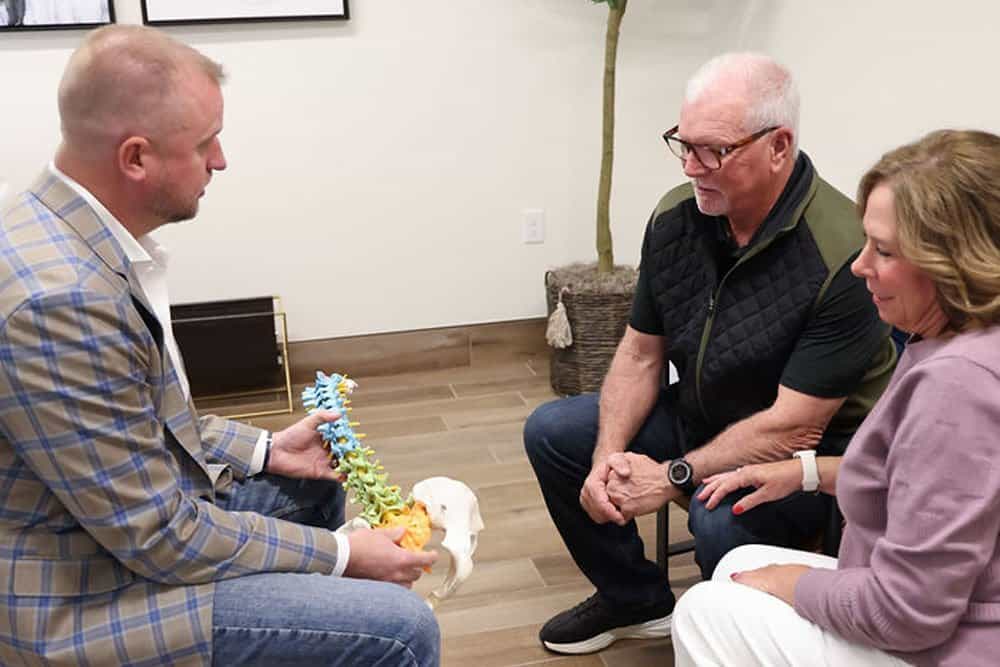
Back and neck pain are among the most common reasons adults seek medical care. Whether caused by injury, degenerative conditions, or repetitive strain, spine-related conditions can limit mobility, disrupt work, and reduce overall quality of life. Effective spine care requires precise diagnosis, structured treatment planning, and a long-term strategy focused on restoring function.
At Apex Healthcare Partners, Spine Care & Surgery places the patient’s best interest at the center of every decision. Our board-certified specialists and multidisciplinary clinicians deliver coordinated, evidence-based care designed to identify the true source of pain and restore function.
Meet our expert team to learn more about the experience behind this comprehensive approach serving patients across Oklahoma and surrounding communities.
A Comprehensive, Stepwise Approach to Spine Care
Spine care at Apex Healthcare Partners follows a structured, multidisciplinary model. Treatment typically begins with conservative, non-surgical options when clinically appropriate. These may include physical therapy, targeted pain management, activity modification, chiropractic care, and image-guided interventions designed to reduce inflammation and improve mobility.
When surgery is necessary, patients are evaluated carefully to determine candidacy and timing. Surgical options may include minimally invasive techniques for conditions such as herniated discs, spinal stenosis, or instability. These procedures are selected based on individual anatomy, severity of symptoms, and functional goals.
National data indicates that outcomes for procedures such as spinal fusion often fall within a 70% to 95% success range, depending on diagnosis and patient-specific factors. Each recommendation is grounded in clinical evidence, not routine or assumption.
Conditions We Evaluate & Treat
We routinely evaluate and manage a range of spine-related conditions, including:
- Herniated and bulging discs
- Spinal stenosis
- Degenerative disc disease
- Sciatica and nerve compression
- Chronic neck and back pain
- Spinal instability
- Work-related spine injuries
- Auto accident–related spine injuries
- Facet joint disorders
- Spondylolisthesis
Concerned About These Symptoms?
Schedule a consultation to discuss appropriate evaluation and treatment options.
New patient evaluations are available following review of your submitted information.
Why Choose Apex for Spine Care & Surgery
You may benefit from a professional spine evaluation if you are experiencing:
- Persistent back or neck pain lasting more than several weeks
- Pain radiating into the arms or legs
- Numbness, tingling, or weakness
- Pain that limits work, sleep, or daily activity
- Worsening symptoms despite prior conservative treatment
- Recurrent episodes of spine-related discomfort
Early evaluation can help identify the cause of symptoms and clarify appropriate next steps. Our patients benefit from personalized care delivered by a dedicated group of clinicians. Meet our expert team to learn more about their credentials and experience.
is Spine Evaluation Right for You?
Choosing spine care is a serious decision, particularly when surgery may be involved. Apex Healthcare Partners is a physician-owned medical practice, ensuring that clinical judgment - not corporate pressure - guides care decisions.
Patients benefit from coordinated care across:
- Diagnostics
- Treatment planning
- Follow-up management
- Clear communication
- Realistic expectations
- Measurable outcomes
By integrating spine care and surgical expertise within one practice, unnecessary delays and fragmented care are reduced.
Early evaluation can help identify the cause of symptoms and clarify appropriate next steps.
Consultations are scheduled following review of submitted information.
What to Expect During Your Spine Care Evaluation
The Spine Care & Surgery process begins with a comprehensive consultation, including a detailed medical history, physical examination, and review of prior imaging or diagnostic studies. When necessary, advanced imaging such as MRI or CT scans may be ordered to clarify the underlying cause of symptoms.
Patients receive a clear explanation of findings along with a structured care plan outlining next steps. Non-surgical treatments are discussed first when appropriate, including expected timelines and milestones.
If surgery is indicated, the procedure, risks, benefits, alternatives, and recovery considerations are reviewed in detail. Throughout the process, patients are encouraged to ask questions and take an active role in decision-making. For a complete view of the professionals involved in your care continuum, visit our Our Team page.
After your Spine Care & Surgery consultation, our team outlines a structured treatment pathway based on your diagnosis. Early evaluation can identify the source of pain and may allow for less invasive treatment options before the condition progresses.
Apex Healthcare Partners provides Spine Care & Surgery for patients throughout Oklahoma and the bordering states, with an emphasis on precision, outcomes, and long-term spinal health delivered by experienced, board-certified clinicians - meet our expert team to learn more about the providers guiding your care.
Request a spine care consultation today to begin a clear, informed path toward improved function and lasting relief.